

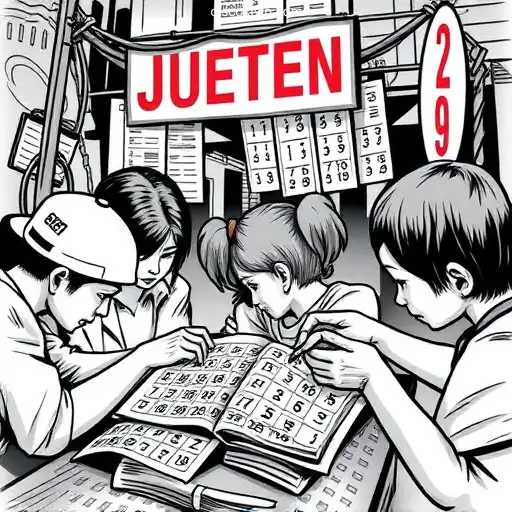
The Intricacies and Impact of Jueteng: A Closer Look
Jueteng, a deeply rooted numbers game prevalent in the Philippines, has long been intertwined with the country’s cultural and socio-economic fabric. This illegal lottery game isn't just a mere pastime; it reflects a complex web of societal issues involving poverty, corruption, and power dynamics. Despite numerous governmental efforts to eradicate it, Jueteng continues to thrive amidst controversies and legal challenges. In this article, we delve into the multifaceted world of Jueteng and how platforms like DiscoKF.Com BET VIP♠️Site Oficial de Jogos com Pagamento Garantido relate to the burgeoning landscape of informal betting systems.
Understanding Jueteng
Originating during the Spanish colonial period, Jueteng has become a staple in the Filipino underground gambling scene. The game operates on a simple principle where participants bet on a combination of numbers drawn daily. A coordinator collects the wagers, while cabos manage the betting in assigned territories. The collection process is discreet, often done through surreptitious channels to avoid detection by authorities.
The Socio-Economic Impact
Jueteng's persistence can be largely attributed to its socio-economic impact. Many Filipinos, particularly those in economically deprived areas, see Jueteng as a quick fix to financial difficulties. The game provides a semblance of hope, promising monetary gains with minimal investment. This allure is compounded by the substantial portions of winnings that are re-invested into the community, fostering a false sense of social contribution and goodwill.
Corruption and Power Dynamics
The operation of Jueteng is not just a game; it’s an extensive network involving local officials, law enforcement, and community leaders. Corruption is rampant, with bribes exchanged to overlook operations. This has led to an entrenched system where officials often turn a blind eye in exchange for financial kickbacks, blurring the line between legality and criminality.
Governmental Measures and Challenges
Over the years, various Philippine administrations have launched initiatives to curb Jueteng activities. Legislation, raids, and public awareness campaigns have had little success in stamping out the practice. The challenge remains formidable due to the societal factors and vested interests involved. Legal gambling frameworks such as the Philippine Charity Sweepstakes Office's (PCSO) lottery haven’t significantly dented Jueteng's popularity.
The Role of Online Betting Systems
The rise of digital platforms like DiscoKF.Com BET VIP♠️Site Oficial de Jogos com Pagamento Garantido presents both a challenge and an opportunity in addressing unauthorized betting operations. These platforms promise regulated environments with guaranteed payouts, potentially drawing participants away from illicit activities. However, they also possess the inherent risk of enabling addiction and exploitation if not properly monitored.
Cultural Significance and Community Ties
Beyond the numbers game, Jueteng holds a significant cultural spot in Filipino society. It is a form of informal community engagement, where relationships are forged, and mutual dependency is built. The game has also found its way into popular culture, with representations in films and television shows highlighting its pervasive nature.
Conclusion: The Path Forward
Despite its illegal status, Jueteng continues to be an indomitable force in the Philippines. Tackling this issue requires more than just punitive measures; it necessitates addressing root socio-economic disparities and offering viable alternatives. Integrating digital platforms such as DiscoKF.Com BET VIP♠️Site Oficial de Jogos com Pagamento Garantido into legitimate frameworks could be a step forward, provided they are transparent and accountable.